The Inheritance of Silence Series
The Inheritance of Silence Series
Some inheritances are written in blood. Others are written in silence.
We inherit more than names, memories, and family histories. We inherit the things left unsaid, the wounds passed from one generation to the next, and the expectations that shape who we believe we are supposed to become. But what happens when the life we inherit no longer fits the person we are becoming?
The Inheritance of Silence Series by John Erik Dunnam is an emotionally driven collection of interconnected stories exploring the complicated relationship between the past and the people we choose to become. Through love, loss, identity, and the enduring power of human connection, these novels examine what it means to confront the truths we have buried, challenge the expectations placed upon us, and discover that family is not always defined by where we come from, but by who chooses to stand beside us.
Spanning the experiences that shape us, the relationships that change us, and the futures we dare to imagine, the series invites readers into a world where healing is rarely straightforward, love is never without its complications, and the courage to begin again can change everything.
At its heart, this is a story about finding your voice after a lifetime of silence, learning to live beyond the weight of what came before, and discovering that the most meaningful inheritance may be the freedom to write your own story.
The Three Novels
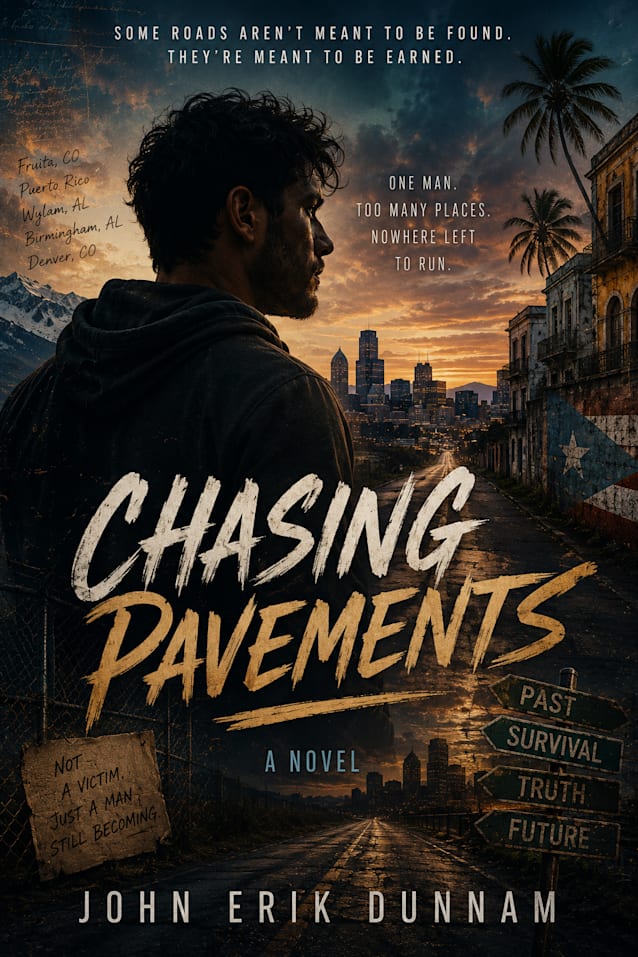
Chasing Pavements
Every journey has a beginning. Sometimes, it starts long before we understand where we're going.
Discover the story that precedes Inheritance of Silence. Chasing Pavements explores the experiences and relationships that help shape the people we become, offering readers an opportunity to understand the emotional history behind the world of the series. It is a story about the paths we follow, the choices that define us, and the moments that set the course for everything that comes next.
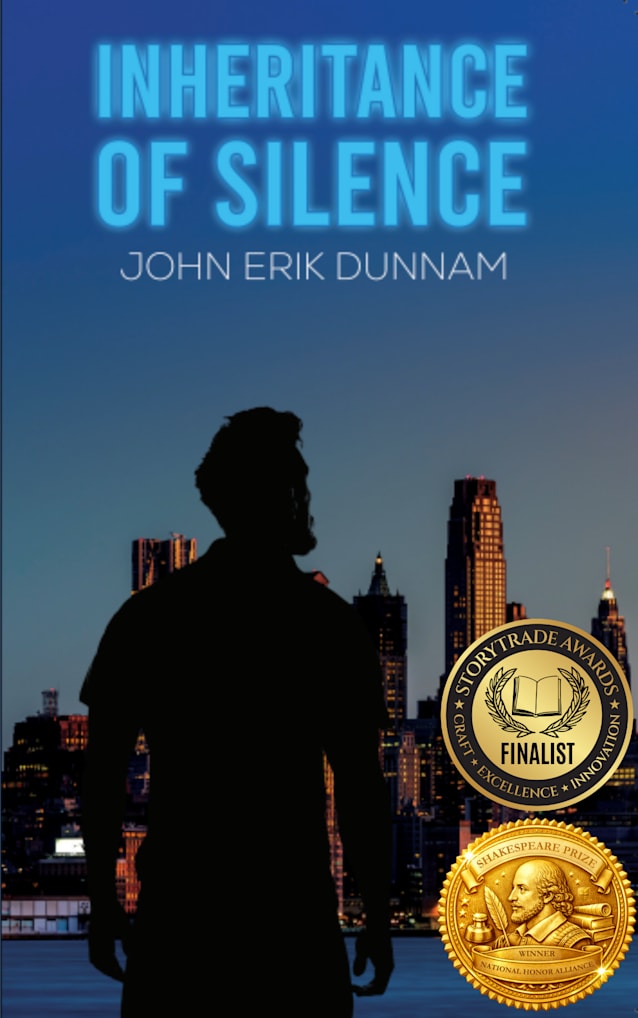
Inheritance of Silence
The past may shape us, but it does not have to define us.
At the center of the series lies Inheritance of Silence, a deeply personal exploration of grief, identity, belonging, and the complicated work of healing. When the weight of the past threatens to dictate the future, the search for truth becomes inseparable from the search for self. Through the fragile, sometimes painful process of confronting what has been left unsaid, the novel explores the possibility of finding understanding, rebuilding connection, and creating a family that reflects who we truly are.
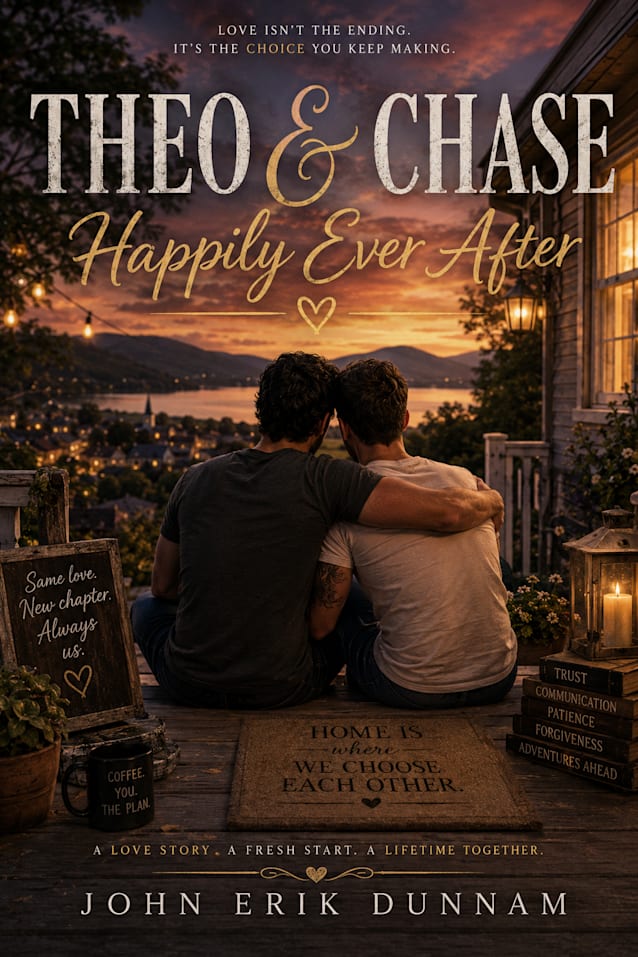
Theo & Chase: Happily Ever After
Finding love is one thing. Building a life together is another.
The story continues in Theo & Chase: Happily Ever After, returning readers to the lives and relationships that have become the emotional heart of the series. As Theo and Chase navigate the realities of love, commitment, and the future they hope to build, their journey explores what it takes to move beyond the past without pretending it never happened. Because happily ever after is not the absence of hardship; it is the choice to keep showing up, growing together, and believing that love is worth the work.
A Story About the Families We Inherit—and the Ones We Choose
The Inheritance of Silence Series is for readers who appreciate character-driven fiction, emotionally complex relationships, LGBTQ+ perspectives, and stories that make room for both heartbreak and hope.
These are stories about the things we carry, the people who change us, and the lives we build when we finally allow ourselves to imagine something different.
Whether you begin with Chasing Pavements, experience the defining story of Inheritance of Silence, or continue into Theo & Chase: Happily Ever After, each novel offers another perspective on the connections, choices, and quiet acts of courage that shape a life.
Because silence may be part of our inheritance. It does not have to be our legacy.
Explore The Inheritance of Silence Series by John Erik Dunnam and discover the stories that remind us that our past is part of our story—but it does not get to write the ending.